

When will ‘Government Truecaller’ come, which will tell the name of the real owner of the SIM even on small phones?
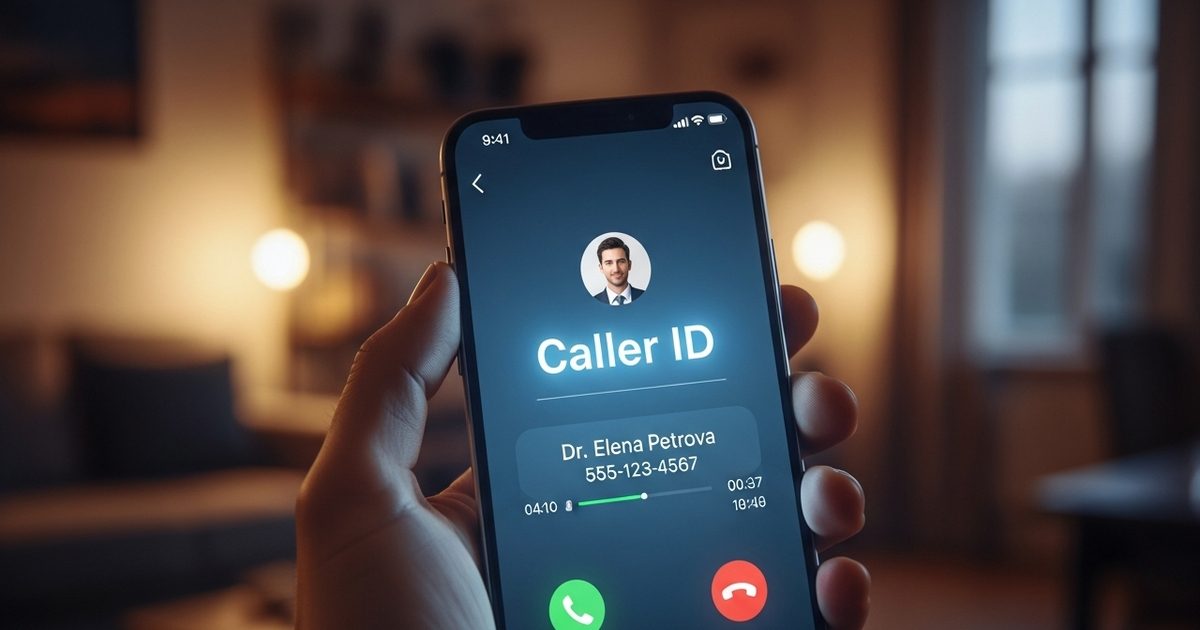
Caller ID: When the phone rings and the name of the caller is not visible, people get confused. To pick up the phone or not? If you have installed an app that shows caller ID, you may see the name. But that name will also be real, it is not guaranteed. So the government had taken the decision to end this problem about 3 months ago. Now the country is going to get its official caller ID system in just 2-3 months. This system will not depend on any external app and will be directly part of the mobile network.
The Telecom Regulatory Authority of India (TRAI) approved the proposal of the Department of Telecommunications (DoT) in October 2025. This new system is being called Calling Name Presentation i.e. CNAP. This simply means that whenever a call comes on your phone, not just the number but the real name of the person calling will be visible on the screen. This name will be the same which has been registered and verified in the records of the telecom company at the time of taking the SIM. That is, the information will come directly from the operator’s official customer database, which will maintain its credibility.
Ordinary feature phones will have this facility
The aim of the government and TRAI is to bring transparency in the calling system and help people take the right decision. Till now, only the calling line ID (CLI) i.e. number is visible on the mobile, there was no mandatory system of showing the name. Now with the implementation of CNAP, this shortcoming will be removed and this feature will automatically work not only on smartphones but also on ordinary feature phones. There will be no need to download any separate app for this.
Spam and fraudulent calls will be controlled
TRAI has also clarified that this facility will be on by default for all consumers across the country. If a customer does not want to use it, he can opt-out by contacting his telecom service provider. This will maintain a balance between privacy and convenience. TRAI has said in its statement that this will curb spam and fraudulent calls. In the words of the regulator, “This will help the person receiving the call to decide whether to pick up the call or not.” This will also increase trust in digital conversations.
At the technical level, every telecom company will have to prepare its own calling name i.e. CNAM database, in which every number will be mapped with its verified name. When a call comes in, the network will match the information from the same database and display the name on the receiver’s phone. This will increase accountability and reduce the scope for mistaken identity.
Technical challenges encountered in the trial
Before implementing CNAP, DoT had also conducted its trial on 4G and 5G networks in select cities. Some technical challenges emerged during testing, such as the lack of necessary software patches and the need for network upgrades. For these reasons, this experiment has been limited to packet-switched networks only, where mobile data and VoIP calls are carried, while more preparation is still needed on circuit-switched networks carrying traditional voice calls. When this system is fully ready, CNAP will not be sold as a separate service, but will be integrated with existing telecom services.
Industry experts believe that this step will strengthen digital trust in India. In the era of increasing fake calls and online fraud, a system will make people feel more secure, especially the elderly and users with less technical knowledge. At present, the date for its nationwide implementation has not been decided, but telecom companies can start it by March 2026.