

Petrol bikes will not be sold in Delhi after 2028! Preparation for major changes in the new EV policy
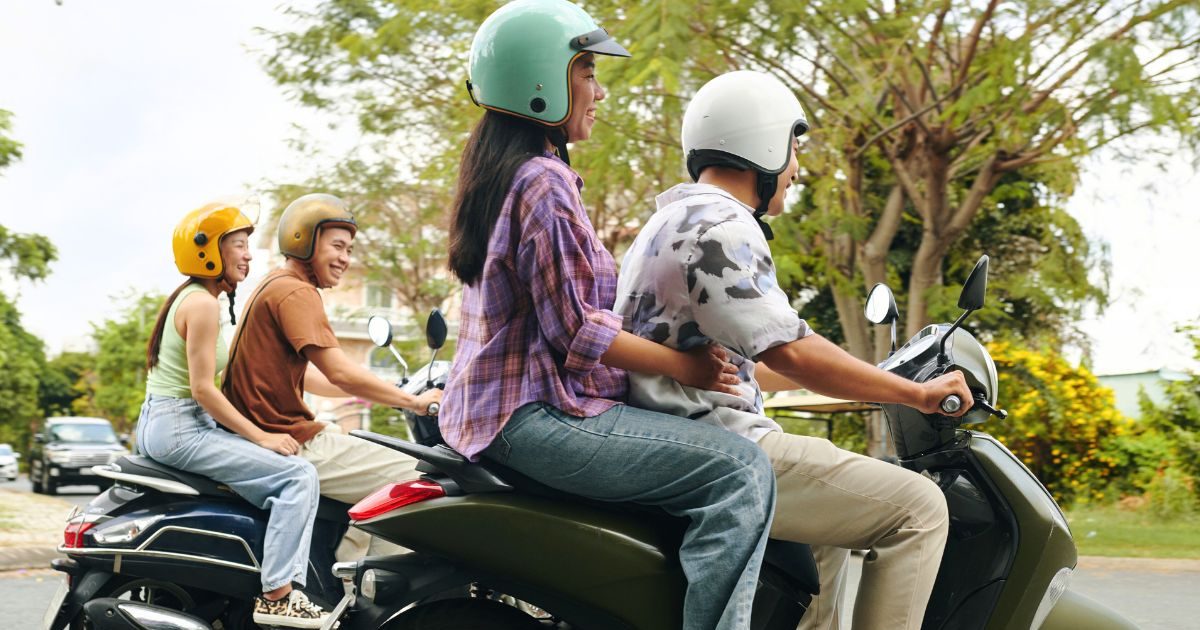
New Delhi. Lakhs of petrol bikes and scooters running on the streets of Delhi may soon disappear. With the implementation of the new Electric Vehicle Policy (EV Policy) that the Delhi Government is considering, the era of petrol-powered two-wheelers will gradually end. This will have a direct impact on millions of people who go to office, college or work on bike or scooter every day. If the proposal is implemented then after 2028 it will not be possible to buy new petrol scooters or bikes in Delhi and people will have to shift towards electric options.
In the proposed draft Electric Vehicle Policy 2026-2030 of Delhi Government, a plan has been made to reduce the number of vehicles running on petrol and diesel in a phased manner. The main focus of this policy is on two-wheelers and three-wheelers, because they are present in the largest number on the roads of the capital and are also considered to be a major contributor to pollution.
Proposal for only electric two-wheeler registration from 2028
According to the draft policy, it is proposed to allow registration of only electric three-wheelers in Delhi from 2027. After this, only electric options will be available for registration of new two-wheelers from 2028.
There are about 75 lakh vehicles on the roads of Delhi, of which about two-thirds i.e. about 50 lakh vehicles are two-wheelers. In such a situation, if this rule is implemented then a big change will be seen in the biggest vehicle category of the city. The government believes that with this step a significant reduction in pollution can be achieved.
According to officials, the objective of this policy is to reduce the initial cost of electric vehicles and encourage people to adopt them in the initial phase. The plan is to gradually reduce government subsidies as things progress.
Incentives through subsidies and tax exemptions
To popularize electric two-wheelers, a phased subsidy has been proposed in the policy. Assistance up to Rs 10,000 per kWh can be given in the first year, with a maximum limit of Rs 30,000. In the second year it may reduce to Rs 6,600 per kWh and in the third year to Rs 3,300 per kWh.
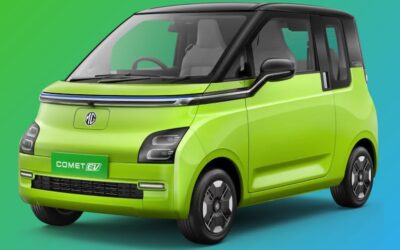
Along with this, the government has also proposed to provide relief for electric cars. There is a plan to exempt electric cars priced up to Rs 30 lakh from road tax and registration fees by March 2030. Currently, road tax on petrol and diesel cars ranges from 4% to 13% depending on the price of the vehicle.
Charging network and social initiatives also included
In the new policy, emphasis has also been laid on rapidly expanding the charging infrastructure for electric vehicles. Under this, a plan is included to increase the number of public charging stations, encourage private charging facilities and motivate manufacturers to set up charging stations.
As a social initiative in the policy, it has also been proposed to create a rainbow fleet of 500 electric three-wheelers for the transgender community. A plan has also been made to subsidize electric trucks and electrify at least 10% of the school bus fleet within two years.
At present, no fixed percentage target for adoption of electric vehicles has been set in this draft policy. The government says that its objective is to create such an environment that a large number of people voluntarily switch to electric vehicles in the coming years.