

Patanjali’s 6G smartphone launched with 250MP camera, 144Hz refresh rate? know the truth
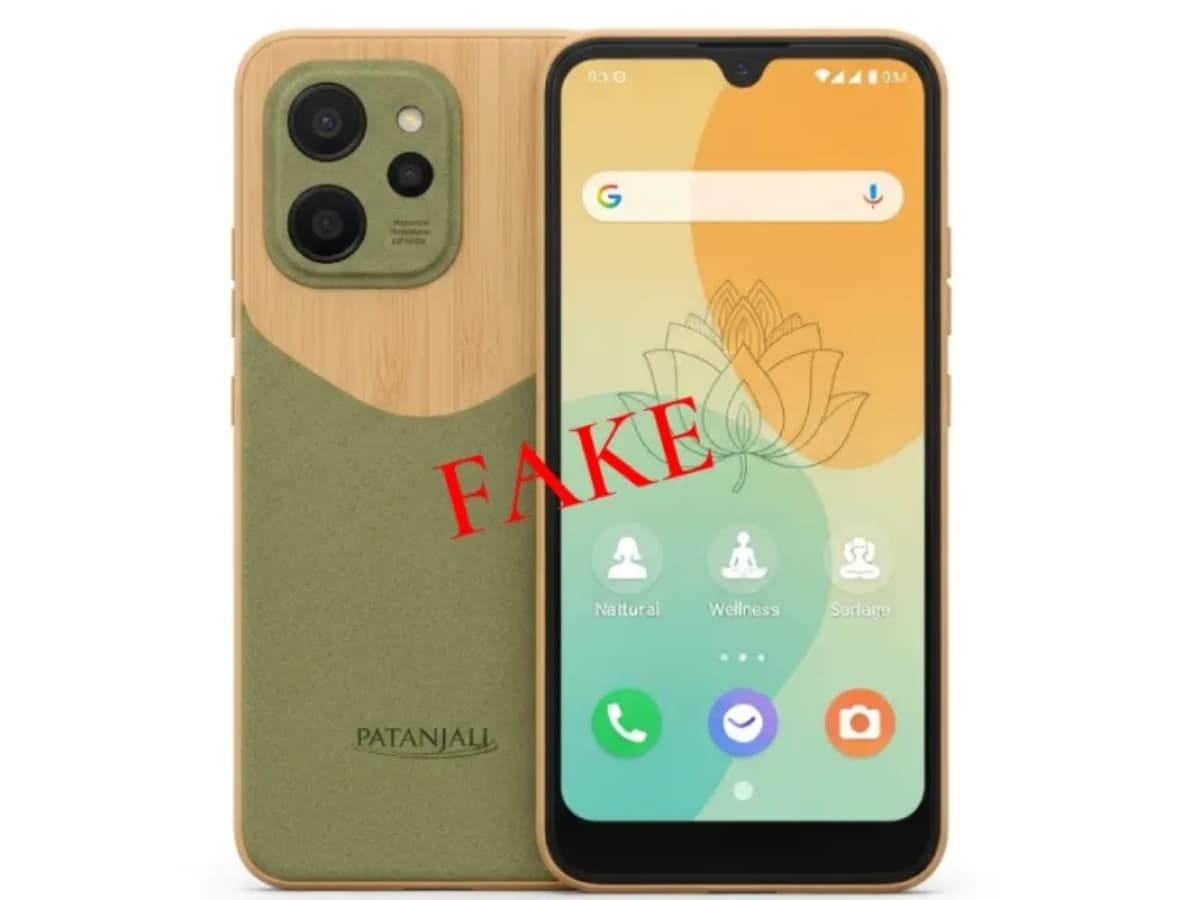
New Delhi. If you have recently seen the reports of Baba Ramdev’s Patanjali 6G smartphone, then you should read this. Reports of a Patanjali branded smartphone have recently gone viral on the internet, claiming that the Ayurveda-focused consumer apparel company is launching a cheap but feature-rich smartphone.
The alleged Patanjali smartphone sports a 250MP main camera, 13MP and 33MP secondary sensors, a 28MP selfie camera, and a 6.74-inch Super AMOLED display with a 144Hz refresh rate. Other specifications include MediaTek Dimensity 8200 processor, up to 12GB of RAM, 2TB of storage, and a 7000mAh battery, which can be fully charged in just 15 minutes with 200W fast charging. These articles speculated about a launch in late 2024 or early 2025, with an estimated price ranging between ₹25,000 to ₹33,000. It was claimed that this phone will already come with Patanjali apps.
Fact Check: Patanjali 6G smartphone is fake
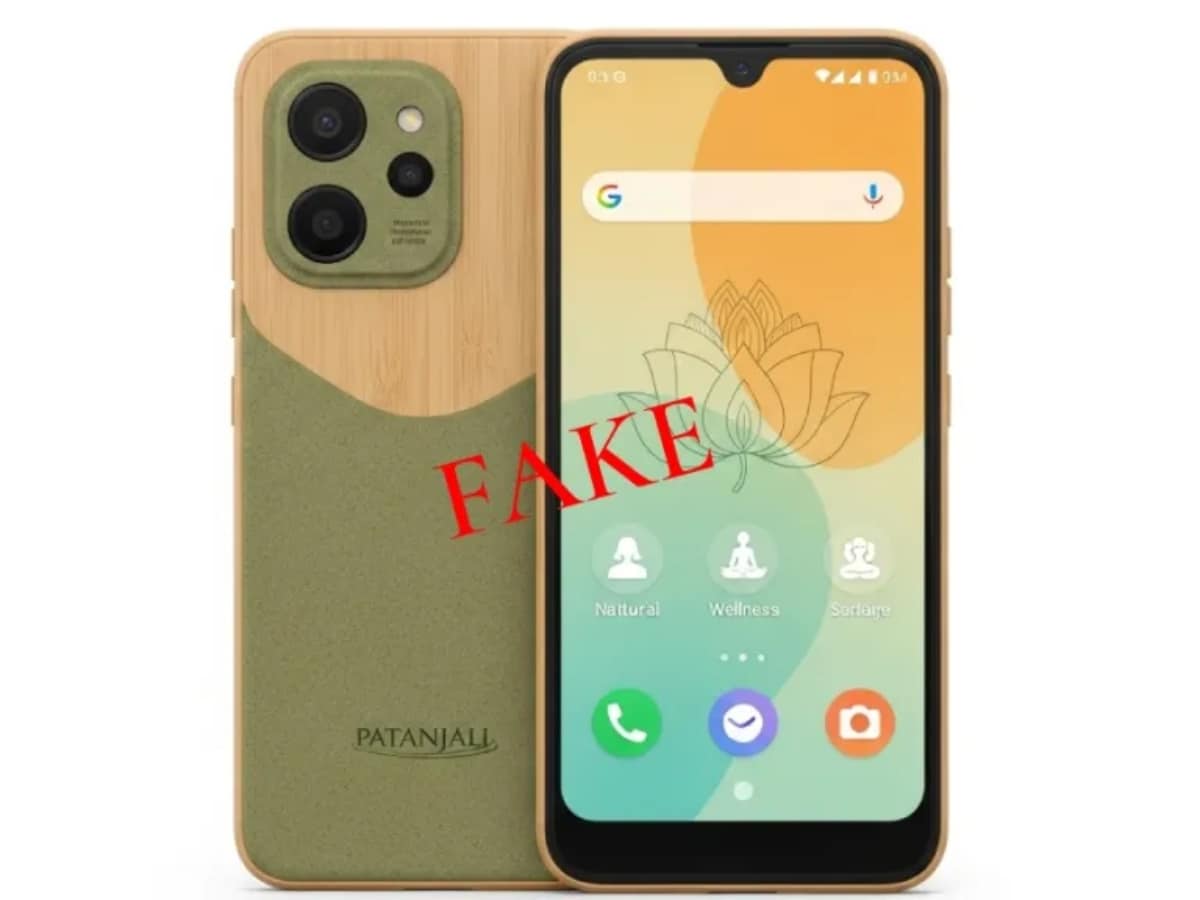
The reports that came about Patanjali 6G smartphone with top-level specifications are completely baseless. A thorough fact-check shows that these details are completely fictitious. There has been no official announcement from Patanjali Ayurveda or any of its related entities regarding the development or launch of any smartphone, especially a “6G” device.
The idea of a “6G smartphone” in late 2024 or early 2025 is technically too early. 6G is still in its early research and development stages globally and will take several years to reach commercial use. Therefore, it seems completely impossible for an FMCG brand like Patanjali to launch a ‘6G smartphone’. Major tech brands like Apple and Samsung have not finalized anything on 6G technology yet.
Apart from this, the main business of Patanjali revolves around Ayurvedic products, food items and consumer goods. Although the company has ventured into digital services before, making the leap into building advanced mobile hardware with high-end specifications and an untested network technology is highly unlikely, especially without any prior advertising. Therefore, consumers are requested not to believe the fake news being spread by many websites.