

Important tips and precautions for safe driving in the mountains
How to Drive Safely in Hills: As soon as the weekend arrives, the people of Delhi-NCR turn towards the mountains. Especially people living a corporate life pick up their cars and go for hill driving. Many times, planning a car trip in a hurry without preparation and knowledge becomes a cause of trouble for us. If you are planning to travel a mountain road by car in the coming few days, then this article is useful for you.
In India, in hilly areas like Himachal, Uttarakhand, Sikkim or Kashmir, winding roads, sharp turns, steep climbs and descents, danger of landslides and changing weather make driving risky. Many times small carelessness becomes the cause of a big accident. Therefore, proper preparation, caution and technique are very important for safe driving. Let us know the top-5 tips for hill driving.
1. Inspection before trip
Get the vehicle fully serviced before starting a hilly journey. Be sure to check brakes, tires (tread depth at least 3 mm), battery, coolant, engine oil, brake fluid and spare tire. Brake failure is the biggest danger in the mountains, so check the condition of brake pads and discs. Carry essential tools like jack, wheel spanner, tire inflator, torch, water bottle, snacks and first aid kit. Keep the fuel tank full too, because petrol pumps are not found far and wide in the mountains.
2. Take special care of speed limit
Never maintain speed more than 40-50 km/hr on hilly roads. Use low gear (second or third) while climbing, so that the engine gets more power and the vehicle can climb easily. Even while descending, keep in low gear and use engine braking. Do not press the brake continuously, otherwise brake fade (overheating) may occur. While descending, control the speed with the help of the engine by downshifting the gear. Never start the vehicle in neutral gear.
3. Be alert at turns
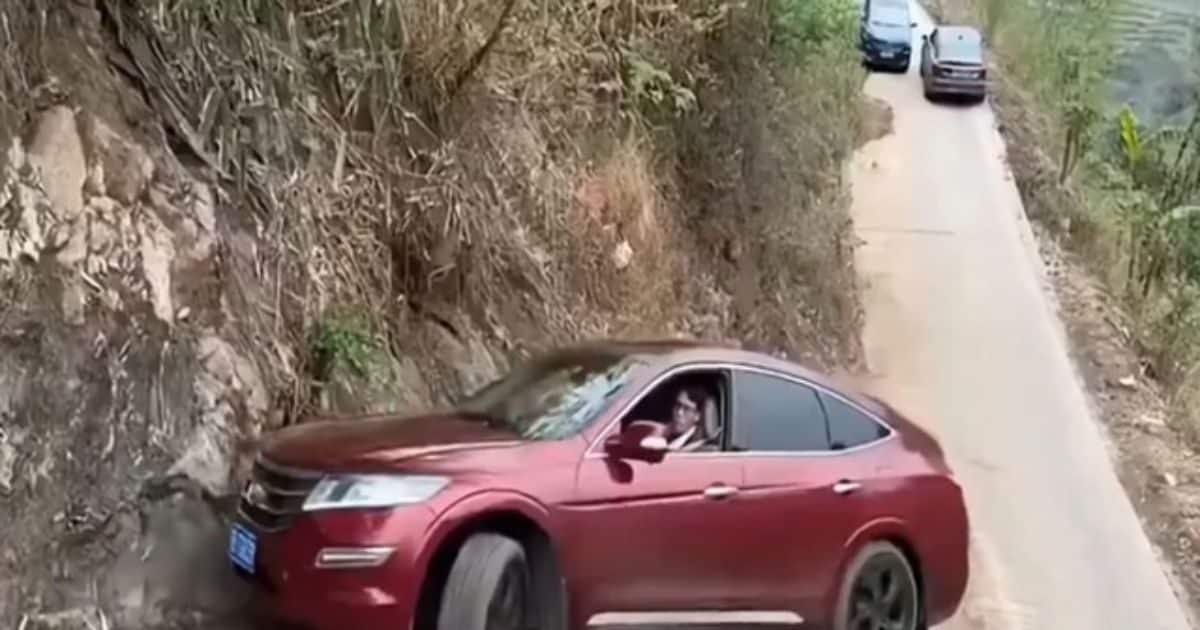
Most of the places on hilly roads are single lane and there are many blind corners. Be sure to blow your horn at every blind corner or hairpin bend. This lets the vehicle coming from the front know that someone is coming. Reduce the speed before turning, do this not by applying brakes but by downshifting the gear. Stay in your lane (on the left) and do not cross the center line.
4. Avoid overtaking
Overtaking in the mountains is very risky. Do not overtake as far as possible. If necessary, overtake only on straight roads where there is good visibility. Overtake only if no one is coming from the front. While overtaking, blow your horn and complete the work quickly. Drive only by giving space to the vehicle in front.
5. Keep an eye on road conditions
The weather changes suddenly in the mountains. There is a risk of rain, fog, snowfall or landslide. The road becomes slippery in the rain, so always keep the speed low. Use low beam lights and fog lights in fog. Look for sign boards in landslide areas and if stones are falling, stop immediately at a safe place. Avoid driving at night as visibility is low.
bonus tip
Always walk on your own side (left side) and keep an eye on the guard rail.
Do not put too much load on the battery – use less AC, heater, lights etc.
If you feel tired, stop at a safe place and rest.
Drive by maintaining a safe distance from the vehicle in front.
Children and passengers must wear seat belts.