

Hing Cultivation in India: Cultivation of expensive spice asafoetida started in India, know everything about it-Hing Asafoetida Online Best Prices India takes up cultivation in Himachal of Hing for the first time Where is Hing grown India
Rs 740 crore is spent on import of asafoetida. Asafoetida is one of the major spices and is a high value spice crop in India (Hing Cultivation in India). India imports about 1200 tonnes of raw asafoetida annually from Afghanistan, Iran and Uzbekistan and spends about US $ 100 million per year.
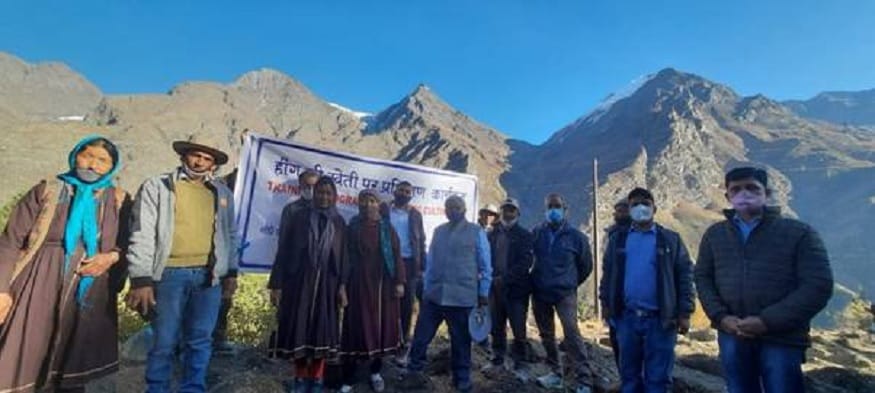
Asafoetida cultivation started in India- In India, lack of planting material of the plant named Ferula assa-fotida was a major hindrance in the cultivation of this crop. With the aim of introducing the cultivation of Asafoetida (Asafoetida) in India, the first sapling of Asafoetida (Asafoetida) was planted in a farmer’s field in a village named Kwaring of Lahaul Valley by Dr. Sanjay Kumar, Director, CSIR-IHBT, on October 15, 2020.
Since Asafoetida (Asafoetida) is a major spice in the Indian kitchen, the CSIR-IHBT team made tireless efforts to introduce this important crop in the country. The Institute started using six sets of seeds brought from Iran through ICAR-National Bureau of Plant Genetic Resources (ICAR-NBPGR), New Delhi in October, 2018.
ICAR-NBPGR confirmed that this was the first attempt to use Asafoetida (Ferula asa-fotida) seeds in the country in the last thirty years. ICAR-IHBT grew asafoetida plants under the supervision of NBPGR at CEHAB, Ribling, Lahaul and Spiti in Himachal Pradesh.
This plant prefers cool and dry conditions for its growth and it takes about five years for the resin called oleo-gum to be produced in its roots. This is the reason why the cold desert areas of the Indian Himalayan region are suitable for the cultivation of Asafoetida (Asafoetida).
Raw asafoetida (asafoetida) is extracted in the form of oleo-gum resin from the fleshy roots of Ferula asafoetida. Although about 130 species of Ferula are found in the world, but only the economically important species Ferula asa-fotidis is used for the production of Asafoetida.
In India, we do not have Ferula asafotida, but its other species Ferula jessicaena is found in the Western Himalayas (Chamba, Himachal Pradesh) and Ferula narthex in Kashmir and Ladakh, which are not Asafoetida (asafoetida) producing species.
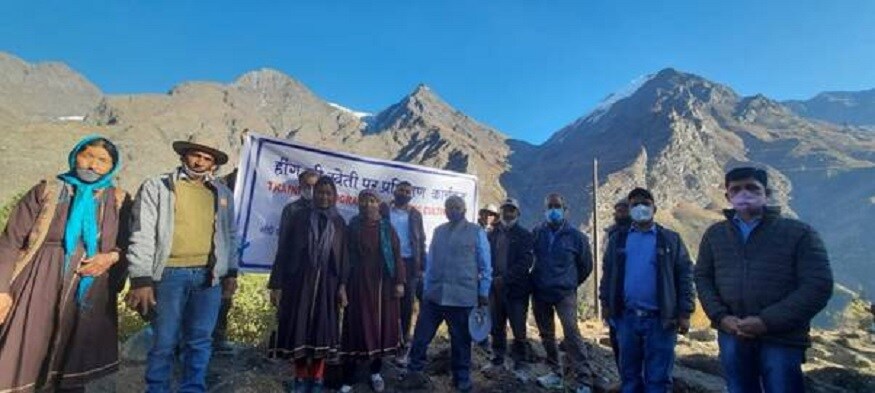
CSIR-IHBT scientists also conducted training programs related to asafoetida cultivation and created demonstration plots in the villages of Madgaran, Beeling and Keylong in Lahaul valley of Himachal Pradesh in collaboration with the officials of the State Agriculture Department for establishment of seed production chain and cultivation of asafoetida on commercial scale.
This is how asafoetida is made from raw materials coming from foreign countries- Hathras resident and asafoetida expert Shyam Prasad says, the resin (milk) comes from Iran, Afghanistan, Kazakhstan and Uzbekistan. This milk comes from a plant. Earlier traders used to bring milk directly to Hathras. But now Khari Babli area of Delhi has become a big market. But even today the process work is done in Hathras only. 15 big and 45 small units are doing this work. Oleo-gum resin (milk) extracted from the plant is processed along with flour. Now some units have opened in Kanpur also. Apart from the country, asafoetida produced in the country is exported to Gulf countries like Kuwait, Qatar, Saudi Arabia, Bahrain etc.