
Demographics of Mobile Device Ownership and Adoption in the United States

Large shares of Americans are connected to the world of digital information while on the go via smartphones and other mobile devices. Explore the patterns and trends that have shaped the mobile revolution below.
To better understand Americans’ smartphone and broadband adoption, Pew Research Center surveyed 5,022 U.S. adults from Feb. 5 to June 18, 2025. SSRS conducted this National Public Opinion Reference Survey (NPORS) for the Center using address-based sampling and a multimode protocol that included web, mail and phone. This way nearly all U.S. adults have a chance of selection. The survey is weighted to be representative of the U.S. adult population by gender, race and ethnicity, education, and other categories.
Surveys fielded before 2023 were conducted via phone. For more on the mode shift in 2023, read our Q&A.
Here are the questions used for this analysis, along with responses, and the survey methodology.

Mobile phone ownership over time
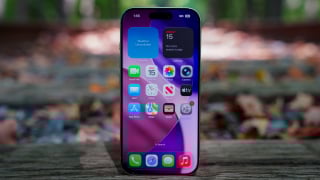
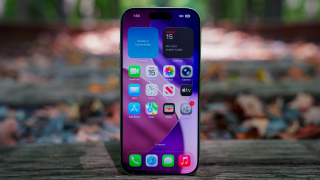
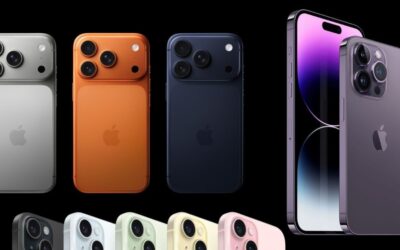
The vast majority of Americans – 98% – now own a cellphone of some kind. About nine-in-ten (91%) own a smartphone, up from just 35% in the Center’s first survey of smartphone ownership conducted in 2011.
Mobile phone ownership
% of U.S. adults who say they own a …
Source: Surveys of U.S. adults conducted 2002-2025.
PEW RESEARCH CENTER
Mobile phone ownership
% of U.S. adults who say they own a …
| Year | Cellphone | Smartphone |
|---|---|---|
| 10/27/2002 | 62% | |
| 11/30/2004 | 65% | |
| 2/9/2005 | 66% | |
| 12/31/2005 | 67% | |
| 3/28/2006 | 66% | |
| 4/6/2006 | 73% | |
| 9/5/2007 | 76% | |
| 12/2/2007 | 75% | |
| 1/13/2008 | 77% | |
| 5/11/2008 | 78% | |
| 8/10/2008 | 82% | |
| 12/20/2008 | 84% | |
| 1/27/2009 | 85% | |
| 4/19/2009 | 85% | |
| 9/14/2009 | 84% | |
| 12/27/2009 | 83% | |
| 1/19/2010 | 80% | |
| 5/30/2010 | 82% | |
| 9/13/2010 | 85% | |
| 11/1/2010 | 84% | |
| 11/24/2010 | 82% | |
| 11/28/2010 | 82% | |
| 12/21/2010 | 81% | |
| 3/20/2011 | 86% | |
| 5/22/2011 | 83% | 35% |
| 8/26/2011 | 84% | |
| 12/21/2011 | 87% | |
| 1/8/2012 | 88% | |
| 1/15/2012 | 87% | 39% |
| 2/19/2012 | 88% | 45% |
| 4/3/2012 | 88% | 46% |
| 8/5/2012 | 87% | 44% |
| 8/7/2012 | 89% | |
| 9/6/2012 | 85% | 45% |
| 9/23/2012 | 88% | 43% |
| 9/30/2012 | 89% | |
| 10/14/2012 | 88% | |
| 11/4/2012 | 89% | |
| 11/10/2012 | 84% | 46% |
| 12/9/2012 | 87% | 45% |
| 12/16/2012 | 88% | |
| 1/6/2013 | 89% | 51% |
| 5/19/2013 | 91% | 56% |
| 7/14/2013 | 90% | 53% |
| 7/28/2013 | 91% | 53% |
| 9/16/2013 | 89% | 54% |
| 9/30/2013 | 91% | 55% |
| 10/6/2013 | 92% | 58% |
| 1/5/2014 | 92% | 55% |
| 1/12/2014 | 90% | 58% |
| 1/26/2014 | 91% | 55% |
| 2/18/2014 | 90% | |
| 4/27/2014 | 92% | |
| 9/21/2014 | 91% | |
| 12/21/2014 | 89% | 59% |
| 4/12/2015 | 92% | 67% |
| 7/12/2015 | 92% | 68% |
| 11/15/2015 | 91% | 69% |
| 4/4/2016 | 92% | 72% |
| 5/3/2016 | 92% | 70% |
| 11/6/2016 | 95% | 77% |
| 1/10/2018 | 95% | 77% |
| 2/7/2019 | 96% | 81% |
| 2/8/2021 | 97% | 85% |
| 9/5/2023 | 97% | 90% |
| 6/10/2024 | 98% | 91% |
| 6/18/2025 | 98% | 91% |
Source: Surveys of U.S. adults conducted 2002-2025.
PEW RESEARCH CENTER

Who owns cellphones and smartphones?
Substantial majorities of Americans across a wide range of demographic groups are cellphone owners. The same is true for smartphone ownership – though some differences do emerge, particularly by age, household income and education.
% of U.S. adults who say they own a __, by …
Tab Contents
| Ages 18-29 | 30-49 | 50-64 | 65+ | |
|---|---|---|---|---|
| Cellphone | 99 | 99 | 98 | 95 |
| Smartphone | 97 | 96 | 90 | 78 |
| Cellphone, but not a smartphone | 2 | 3 | 7 | 16 |
Source: Survey of U.S. adults conducted Feb. 5-June 18, 2025.
| Men | Women | |
|---|---|---|
| Cellphone | 97 | 98 |
| Smartphone | 90 | 91 |
| Cellphone, but not a smartphone | 7 | 7 |
Source: Survey of U.S. adults conducted Feb. 5-June 18, 2025.
| White | Black | Hispanic | Asian* | |
|---|---|---|---|---|
| Cellphone | 98 | 98 | 98 | 98 |
| Smartphone | 91 | 85 | 93 | 96 |
| Cellphone, but not a smartphone | 7 | 12 | 5 | 3 |
Note: White, Black and Asian adults include those who report being only one race and are not Hispanic. Hispanics are of any race. Respondents who did not give an answer are not shown.
Source: Survey of U.S. adults conducted Feb. 5-June 18, 2025.
| High school or less | Some college | College graduate | |
|---|---|---|---|
| Cellphone | 97 | 98 | 99 |
| Smartphone | 84 | 93 | 96 |
| Cellphone, but not a smartphone | 13 | 5 | 2 |
Source: Survey of U.S. adults conducted Feb. 5-June 18, 2025.
| Rep/Lean Rep | Dem/Lean Dem | |
|---|---|---|
| Cellphone | 98 | 98 |
| Smartphone | 91 | 92 |
| Cellphone, but not a smartphone | 6 | 6 |
Source: Source: Survey of U.S. adults conducted Feb. 5-June 18, 2025.
Smartphone dependency over time
Today, 16% of U.S. adults are “smartphone-only” internet users – meaning they own a smartphone but do not subscribe to a home broadband service.
Smartphone dependency
% of U.S. adults who say they do not use broadband at home but own a smartphone
Source: Surveys of U.S. adults conducted 2013-2025. Data for each year is based on a pooled analysis of all surveys containing broadband and smartphone questions fielded during that year.
PEW RESEARCH CENTER
Smartphone dependency
% of U.S. adults who say they do not use broadband at home but own a smartphone
| U.S. adults | |
|---|---|
| 2013 | 8% |
| 2015 | 13% |
| 2016 | 12% |
| 2018 | 20% |
| 2019 | 17% |
| 2021 | 15% |
| 2023 | 15% |
| 2024 | 15% |
| 2025 | 16% |
Source: Surveys of U.S. adults conducted 2013-2025. Data for each year is based on a pooled analysis of all surveys containing broadband and smartphone questions fielded during that year.
PEW RESEARCH CENTER
Who is smartphone dependent?
Reliance on smartphones for online access is especially common among Americans with lower household incomes and those with less formal education.
Tab Contents
Smartphone dependency by age
% of U.S. adults who are smartphone dependent, by age
Source: Surveys of U.S. adults conducted 2013-2025. Data for each year is based on a pooled analysis of all surveys containing broadband and smartphone questions fielded during that year.
PEW RESEARCH CENTER
Smartphone dependency by age
% of U.S. adults who are smartphone dependent, by age
| Ages 18-29 | 30-49 | 50-64 | 65+ | |
|---|---|---|---|---|
| 2013 | 12% | 9% | 7% | 3% |
| 2015 | 19% | 16% | 11% | 7% |
| 2016 | 17% | 13% | 11% | 7% |
| 2018 | 28% | 24% | 16% | 10% |
| 2019 | 22% | 18% | 14% | 12% |
| 2021 | 28% | 11% | 13% | 12% |
| 2023 | 20% | 11% | 14% | 16% |
| 2024 | 21% | 11% | 14% | 17% |
| 2025 | 27% | 11% | 15% | 17% |
Source: Surveys of U.S. adults conducted 2013-2025. Data for each year is based on a pooled analysis of all surveys containing broadband and smartphone questions fielded during that year.
PEW RESEARCH CENTER
Smartphone dependency by race and ethnicity
% of U.S. adults who are smartphone dependent, by race and ethnicity
Note: The vertical line indicates a change in mode. Polls from 2013-2021 were conducted via phone. In 2023, the poll was conducted via web and mail. In 2024 and 2025, the poll was conducted via web, mail and phone. For more on the mode shift in 2023, read our Q&A. Refer to the topline for more information on how question wording varied over the years. White, Black and Asian adults include those who report being only one race and are not Hispanic. Hispanic adults are of any race. Respondents who did not give an answer are not shown.
Source: Surveys of U.S. adults conducted 2013-2025. Data for each year is based on a pooled analysis of all surveys containing broadband and smartphone questions fielded during that year.
PEW RESEARCH CENTER
Smartphone dependency by race and ethnicity
% of U.S. adults who are smartphone dependent, by race and ethnicity
| White | Black | Hispanic | Asian* | |
|---|---|---|---|---|
| 2013 | 6% | 10% | 16% | |
| 2015 | 10% | 19% | 23% | |
| 2016 | 9% | 15% | 23% | |
| 2018 | 14% | 24% | 35% | |
| 2019 | 12% | 23% | 25% | |
| 2021 | 12% | 17% | 25% | |
| 2023 | 12% | 21% | 20% | 14% |
| 2024 | 12% | 19% | 22% | 17% |
| 2025 | 13% | 19% | 28% | 11% |
Note: The vertical line indicates a change in mode. Polls from 2013-2021 were conducted via phone. In 2023, the poll was conducted via web and mail. In 2024 and 2025, the poll was conducted via web, mail and phone. For more on the mode shift in 2023, read our Q&A. Refer to the topline for more information on how question wording varied over the years. White, Black and Asian adults include those who report being only one race and are not Hispanic. Hispanic adults are of any race. Respondents who did not give an answer are not shown.
Source: Surveys of U.S. adults conducted 2013-2025. Data for each year is based on a pooled analysis of all surveys containing broadband and smartphone questions fielded during that year.
PEW RESEARCH CENTER
Smartphone dependency by gender
% of U.S. adults who are smartphone dependent, by gender
Source: Surveys of U.S. adults conducted 2013-2025. Data for each year is based on a pooled analysis of all surveys containing broadband and smartphone questions fielded during that year.
PEW RESEARCH CENTER
Smartphone dependency by gender
% of U.S. adults who are smartphone dependent, by gender
| Men | Women | |
|---|---|---|
| 2013 | 9% | 8% |
| 2015 | 14% | 13% |
| 2016 | 12% | 12% |
| 2018 | 20% | 19% |
| 2019 | 17% | 16% |
| 2021 | 14% | 15% |
| 2023 | 15% | 14% |
| 2024 | 15% | 15% |
| 2025 | 15% | 17% |
Source: Surveys of U.S. adults conducted 2013-2025. Data for each year is based on a pooled analysis of all surveys containing broadband and smartphone questions fielded during that year.
PEW RESEARCH CENTER
Smartphone dependency by income
% of U.S. adults who are smartphone dependent, by annual household income
Source: Surveys of U.S. adults conducted 2013-2025. Data for each year is based on a pooled analysis of all surveys containing broadband and smartphone questions fielded during that year.
PEW RESEARCH CENTER
Smartphone dependency by income
% of U.S. adults who are smartphone dependent, by annual household income
| Less than $30,000 | $30,000- $49,999 | $50,000- $74,999 | $75,000+ | Less than $30,000 (NPORS) | $30,000- $69,999 (NPORS) | $70,000- $99,999 (NPORS) | $100,000+ (NPORS) | |
|---|---|---|---|---|---|---|---|---|
| 2013 | 12% | 9% | 5% | 5% | ||||
| 2015 | 20% | 15% | 10% | 6% | ||||
| 2016 | 21% | 12% | 10% | 5% | ||||
| 2018 | 31% | 22% | 14% | 9% | ||||
| 2019 | 26% | 20% | 10% | 6% | ||||
| 2021 | 27% | 19% | 6% | 6% | ||||
| 2023 | 28% | 19% | 9% | 4% | ||||
| 2024 | 31% | 17% | 9% | 6% | ||||
| 2025 | 34% | 19% | 10% | 4% |
Source: Surveys of U.S. adults conducted 2013-2025. Data for each year is based on a pooled analysis of all surveys containing broadband and smartphone questions fielded during that year.
PEW RESEARCH CENTER
Smartphone dependency by education level
% of U.S. adults who are smartphone dependent, by education level
Source: Surveys of U.S. adults conducted 2013-2025. Data for each year is based on a pooled analysis of all surveys containing broadband and smartphone questions fielded during that year.
PEW RESEARCH CENTER
Smartphone dependency by education level
% of U.S. adults who are smartphone dependent, by education level
| Year | Less than high school graduate | High school graduate | High school or less | Some college | College graduate |
|---|---|---|---|---|---|
| 2013 | 14% | 11% | 8% | 4% | |
| 2015 | 21% | 17% | 14% | 6% | |
| 2016 | 27% | 15% | 12% | 5% | |
| 2018 | 39% | 22% | 21% | 10% | |
| 2019 | 32% | 24% | 16% | 4% | |
| 2021 | 23% | 15% | 4% | ||
| 2023 | 24% | 13% | 6% | ||
| 2024 | 24% | 13% | 7% | ||
| 2025 | 27% | 15% | 6% |
Source: Surveys of U.S. adults conducted 2013-2025. Data for each year is based on a pooled analysis of all surveys containing broadband and smartphone questions fielded during that year.
PEW RESEARCH CENTER

Find out more
This fact sheet was compiled by Research Associate William Bishop. Research Associate Michelle Faverio, former Research Associate Wyatt Dawson, Research Analyst Olivia Sidoti, former Research Analyst Risa Gelles-Watnick, Research Assistant Eugenie Park, Digital Producer Sara Atske, Associate Information Graphics Designer Kaitlyn Radde and former Research Intern Suvi Lama also contributed.
Follow these links for more in-depth analysis of the impact of mobile technology on American life.
Find more publications related to internet and technology and more benchmarks from our National Public Opinion Reference Survey (NPORS).