

These are the top 10 research institutes of India, where it is every scientist’s dream to work – Top 10 research institutes india every scientists dream work
Last Updated:
The country’s capital Delhi is the center of many big research institutes. These institutes not only have modern research infrastructure but they also have good international networks and qualified scientists. We are going to tell you about the 10 biggest research institutes. (Report: Gauhar)
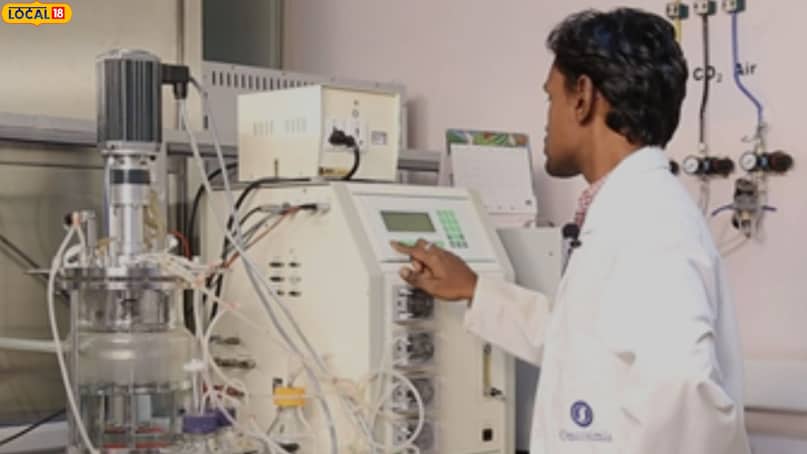
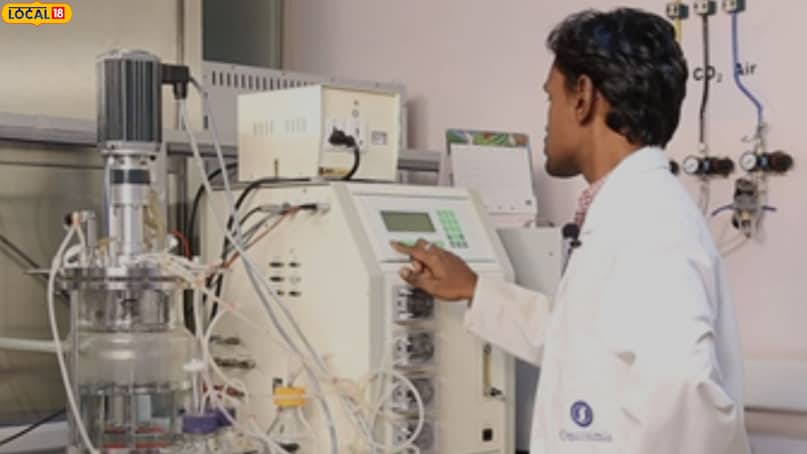
Council of Scientific and Industrial Research (CSIR) is a contemporary R&D organization, renowned for its cutting-edge R&D knowledge in various S&T areas. CSIR has a dynamic network of 37 national laboratories, 39 outreach centres, 1 innovation complex, and three units with pan-India presence. CSIR covers a wide spectrum of science and technology, ranging from oceanography, geophysics, chemistry, medicine, genomics, biotechnology, and nanotechnology to mining, aeronautics, instrumentation, environmental engineering, and information technology.
Rajiv Gandhi Cancer Institute and Research Center is today counted among the leading specialized cancer centers in Asia, offering the unique advantage of cutting-edge technology used by renowned super specialists. Through this powerful combination, the institute ensures world-class cancer care for patients not only in India, but also in the neighboring SAARC countries and beyond. This institute has impacted the lives of more than 2.75 lakh patients since 1996.
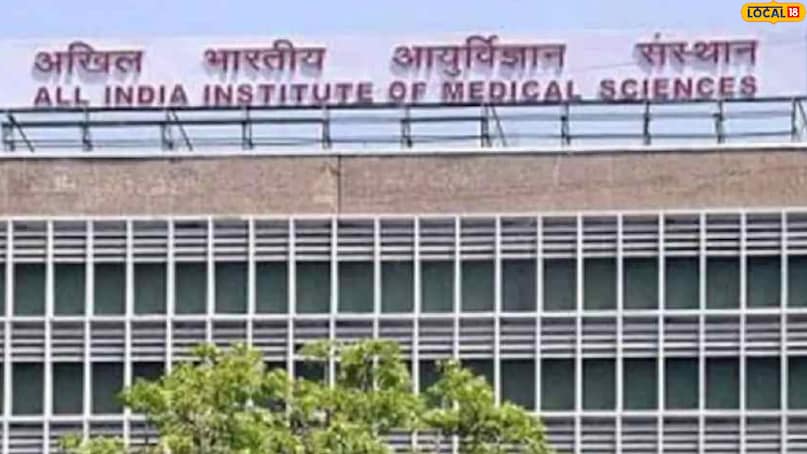
The All India Institute of Medical Sciences was established by an Act of Parliament as an Institute of National Importance. The objective of which was to develop patterns of teaching in undergraduate and postgraduate medical education in all its branches, so as to reflect high standards of medical education. The objective is to bring together educational facilities of the highest order for the training of personnel in all important branches of health activity in India and to achieve self-reliance in postgraduate medical education.
Add News18 as
Preferred Source on Google
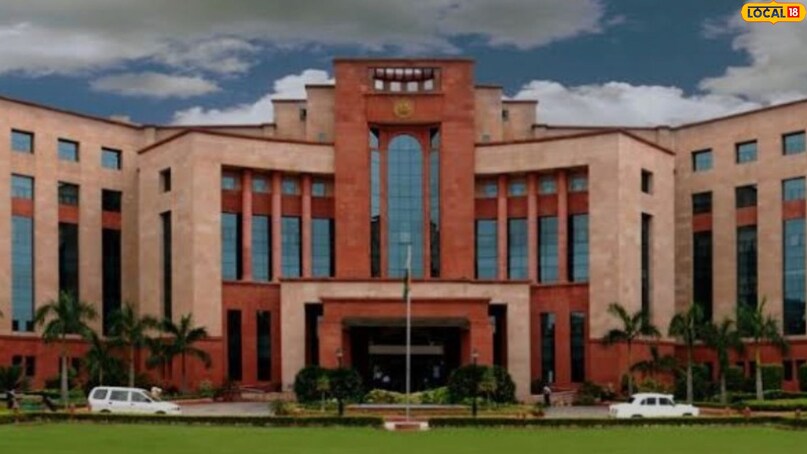
The Defense Research and Development Organization (DRDO) is the R&D wing of the Ministry of Defense of the Government of India. The aim is to empower India with cutting-edge defense technologies and achieve self-reliance in critical defense technologies and systems while equipping our armed forces. With state-of-the-art weapon systems and equipment as per the requirements set by the three services. DRDO’s pursuit of self-reliance and successful indigenous development and production of strategic systems and platforms such as Agni and Prithvi series of missiles.
The Center for the Study of Developing Societies (CSDS) is an Indian research institute for the social sciences and humanities. It was founded in 1963 by Rajni Kothari. And it is largely funded by the Indian Council of Social Science Research, Government of India.
Indian Education and Research Network (ERNET), an autonomous scientific society under the administrative control of the Ministry of Electronics and Information Technology, is functioning under the overall control and guidance of its Governing Council. The Honorable Minister of Electronics and Information Technology is the Chairman of the Council, and the members are selected from leading academic research institutions, government organizations and professional bodies. ERNET India is serving educational and research institutions in the country by innovatively connecting them over Intranet and Internet using appropriate state-of-the-art technologies. Institutions anywhere in the country can now connect to the ERNET network.
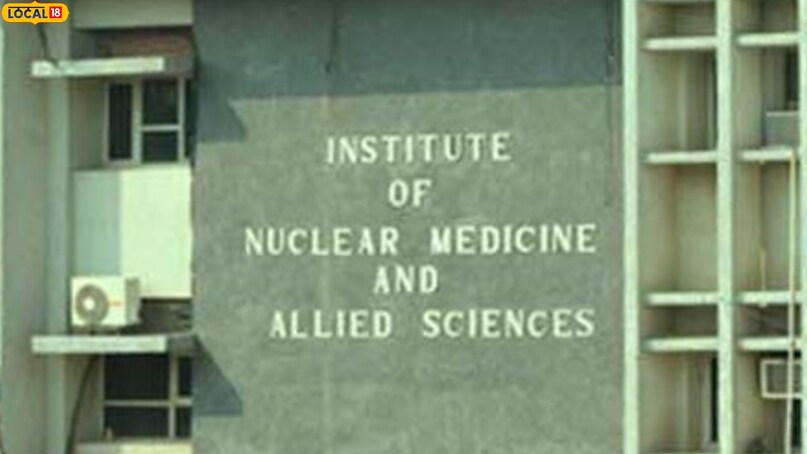
The vision of the Institute of Nuclear Medicine and Allied Sciences (INMAS) has been identified as a center of excellence in biomedical and clinical research with special reference to ionizing radiation. The mission of INMAS is clinical research in nuclear medicine and non-invasive imaging methods with a focus on biological radioprotection and thyroid disorders.
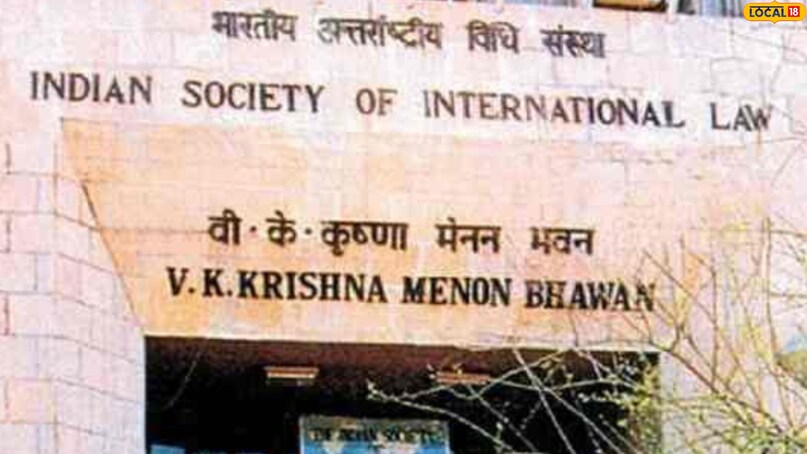
The Indian Society of International Law (ISIL or Society), a premier national institute for teaching, research and propagation of international law, was established in 1959. It has indeed been a long and gratifying journey for ISIL that it has earned a proud place among the community of international lawyers across the world.
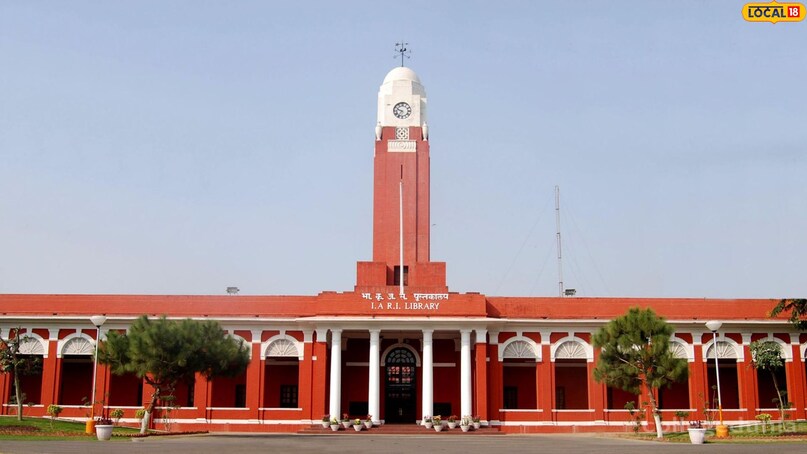
The Indian Council of Agricultural Research (IARI), commonly known as the Pusa Institute, began its journey in 1905 in Pusa (Bihar) with a generous grant of £30,000 from an American philanthropist, Mr. Henry Phipps. At that time the institute was known as Agricultural Research Institute (ARI), which functioned with five departments namely Agriculture, Cattle Breeding, Chemistry, Economic Botany and Mycology. Bacteriology unit was added in 1907. In 1911 the ARI was renamed the Imperial Institute of Agricultural Research and in 1919 the name was changed to the Imperial Agricultural Research Institute. Following the devastating earthquake of 15 January 1934, the institute was shifted to Delhi on 29 July 1936. After independence, the name of the institute was changed to Indian Agricultural Research Institute (IARI).
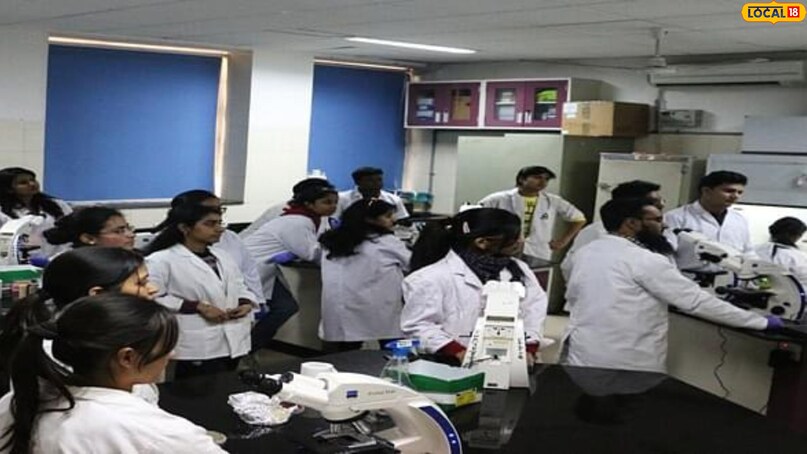
Dr.B.R. Ambedkar Center for Biomedical Research (ACBR) is a unique center under the University of Delhi engaged in training young minds in the field of biomedical education and research. ACBR is committed to solving problems and unmet needs related to human welfare in today’s rapidly evolving world.